

Or we can call him Shwabada by now. Shwabada is the one who called Bafo to work on the kwaNTU album. He had expressed his desire to make an album with Bafo.
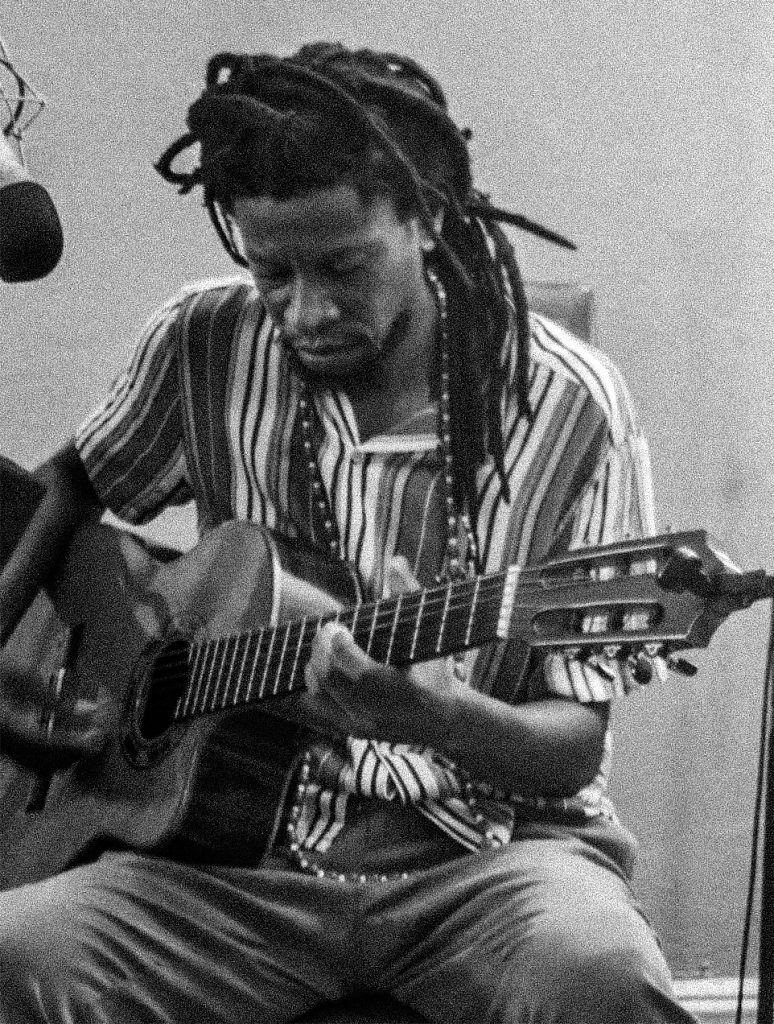
“We always dreamed of doing an album noBaba,” said Xaba, “It’s amazing that it’s finally come to life.”
Sawubona, let me tell you about this half-rasta-half-pansula-high-priest Shwabada, who has been fueling the love for Afro-Folk infused music among the young and old even before we were looking for a term to tag his unique sound.
If Bafo’s Madalaline, is based on the way he tunes his guitar and picks his strings, as well as the BaNtu divination rhythms, Blues, Afro-Folk and Jazz inspiration…What is of this Shwabada sound?
Afro-folk with the wittism, Dessert Blues with the sandpaper scrapped edges, Jazz with the simple intensity of the craft. Is it too early to coin his sound? Though he doesn’t like to be placed according to genre, but let us.
Shwabada got the ball rolling with his first album, Open Letter to Adoniah[O.L.T.A](2017). A double CD release, the first, O.L.T.A: An introduction to Shwabada’s signature sound, this Afro-Folk sound he’s bringing us. The second on the double CD album, was Unlearning, the Jazz side of Shwabada that we should never forget.
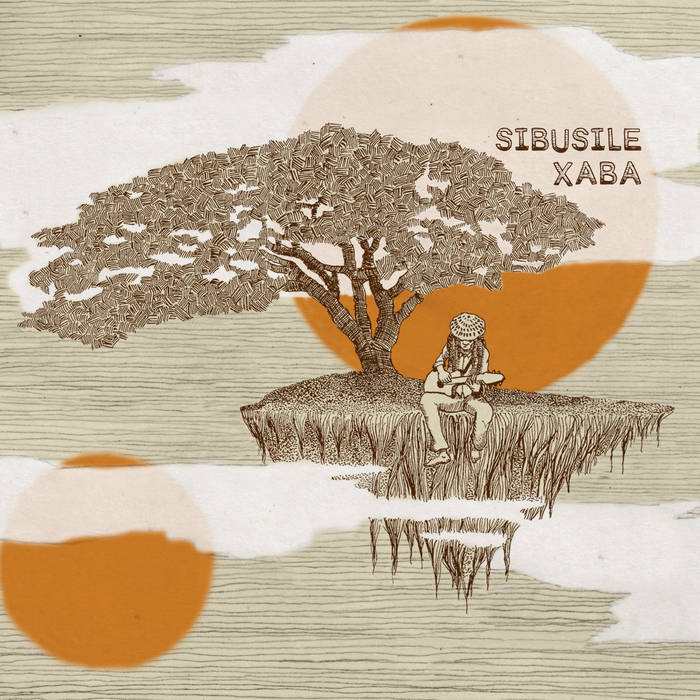
His second album, Ngiwu Shwabada (2020), was the work of a many faceted artist pouring his ideas out through guitar and poetic lyrics. Elihle, Makwande Lwande, Abakhohlwanga, are my personal favourites of the album, and each has a story to go with it.
It was in the height of Covid-19 that Shwabada was performing the songs. When I heard him perform Abakhohlwanga, was in 2019 at Kwantu Village’s annual Folk And Griot Festival. The Pandemic was at it’s peak, and we were all looking for an escape. A guitar, a voice and a story. I escaped. A story of how those that have passed on have not forgotten about us.
2020 I used my last money to travel from Newcastle to Jozi just to hear him spell out the lyrics of Makwande Lwande. And Elihle, livened us up with powerful lyrics in a time of death.
Bathi batshontsha umhlaba, Kanti imvelo iyababona. Yabaqalekisa, yathi “lihle”.
(They stole the land, but nature could see them. And it cursed them, it said “It is beautiful”.)
And when talking to Shwabada, he points out one thing, and that it is, we should show the depth of our culture. And this, he shares in the story of Makwande Lwande.
In a conversation I once had with Shwabada, he said,’’Inside the shallow waters, there are deep waters.” Kind of ringing the line by the poet Xitha Magketha, “…I saw the sea in the sink.” Which are both mystical lines we would have to get into on another platform.
To break away from orders, Shwabada experiments with other sound not just as a musician, but as a sound artist.
IzaNgoma
IzaNgoma is an experimental 15-piece ensemble. They are led by co-founders Shwabada on vocals and keys, with Producer and DJ bhuti Ashley Kgabo (DJ Ash K.) on drum machine, snare drum and synths.
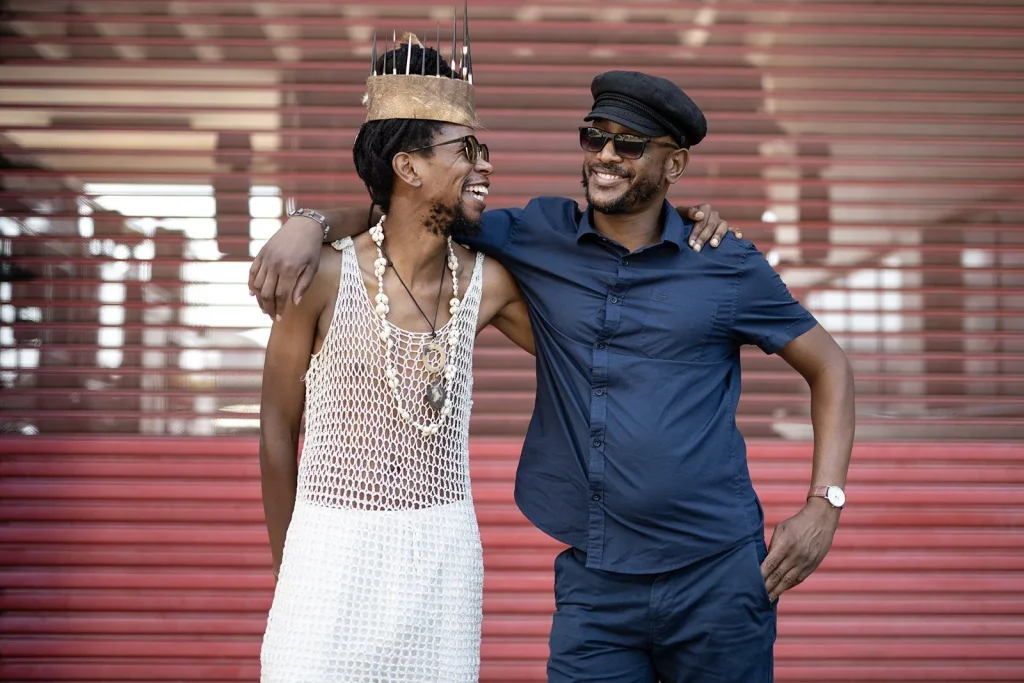
Their sound is a blend of Afro-Funk, with a kick of Afro-Psychedelic, and hints of Afro-Jazz riffs.
IzangoMa’s debut single, City Lights, was a lockdown call for a better place, “Where space and place into ey-1…” Taken from their debut album, NgoMa.

On vocals, he is backed by a trio of trailblazing vocalists. Sisi Khanyisile Mtshobile, sisi Neo Erasmus, and sisi Fakazile Nkosi. Nkosi who has become a very frequent feature in Shwabada’s music.
The rest of the ensemble consist of the bhutis Malusi Masia (alto & tenor saxophone), Jack Mcwabe (trumpet), Mthokozisi Mazibuko (congas), Yao Agbodohu (djembe), Soares Bruno (maracas), Omar Machava (cow bell), Virgilio Faruk (guitars).
This is another project that has a deep relationship with Kwantu Village. As the ensemble took a week long residency at the place to test out the sound.
Healing Voices (2024) (as Esinam & Sibusile Xaba)

On what world music is. A mix of acoustic, electric and nasty Mbaqanga riffs that will rough you out of your seat.
A coming together of two artists who both draw from inspiration from their lineage, nkosazane Esinam makes it easy to notice the Ghananian percussion even in her European electronic influence. Xaba always has a dash of that Afro-Folk, but on this offering, he also provided a Mbaqanga influenced sound that would shake the grave we buried the 60s in.
KwaNTU(2025)
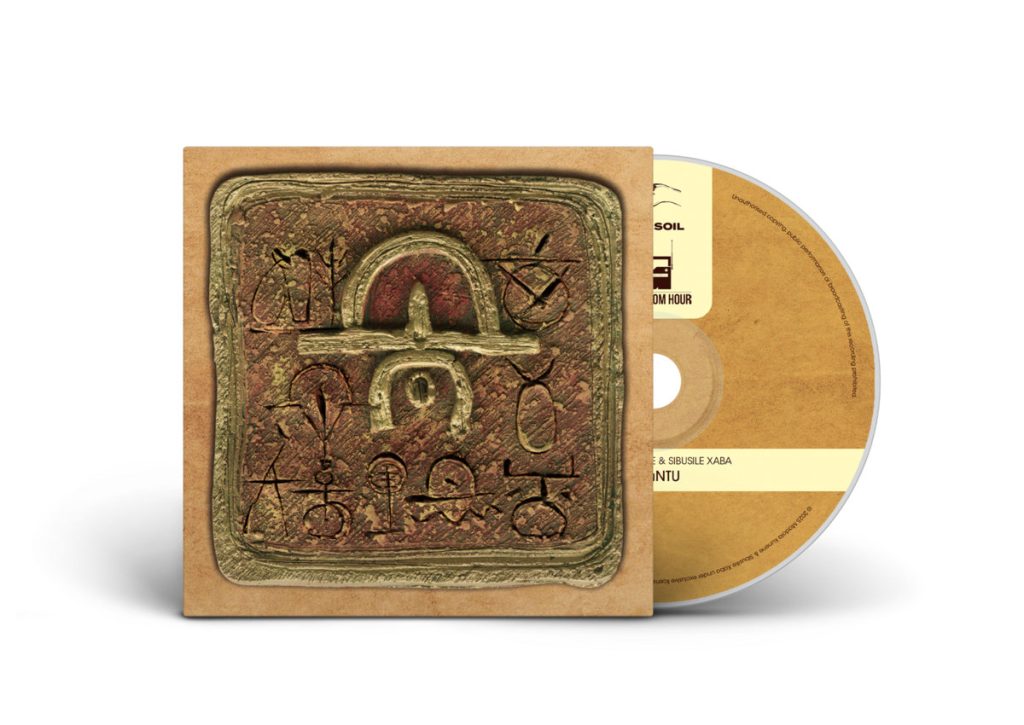
After more than a decade of being mentored by the Order of Ikhamanga recipient Dr.Madala Kunene, Shwabada decided to take their partnership to a higher level.
On 31 October 2025, the duo released their debut album, kwaNTU. A 10 track house of luxurious Afro-Folk(Let’s call it that for conversation sake), furnished by the finest of fingers, voices and spirits. Music like you’ve heard before, but was taken away from because of the journey of life.
But now it has come back, and has become music to call home. On the meaning of the name of the album, they have said, kwaNTU “can be roughly translated to, ‘the place of the spirit’” And was event recorded at Kwantu Village.
It draws inspiration from the UbuNtu philosophy, with like minded cover art from mnumzane Andile Dyalvane making sure that the combos are communicating. When you get the time to listen to it, remember to start with Umkhulu Omkhulu, a mighty tribute to the African sage Mkhulu Credo VusamaZulu Mutwa.
With love for improvisation and planting, all things organic is how Shwabada does things. Expressing sounds that break borders and orders.